For much of Western art and music, innovation traditionally meant refinement: developing increasingly sophisticated techniques within established traditions. At the turn of the twentieth century, however, many artists and composers began asking a different question: What happens when we stop refining the rules and start examining them instead?
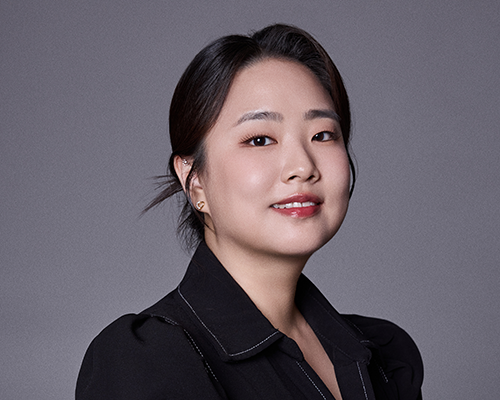
In this lecture-recital, pianist and lecturer Minji Kim explores the ideas that shaped musical modernism through the lens of visual art. Using paintings by Cézanne, Kandinsky, Mondrian, and Rothko alongside musical examples by composers including Debussy, Schoenberg, Ligeti, and Cage, Kim examines how artists across disciplines began rethinking the fundamental elements of their mediums. Through live piano performance, projected artworks, and selected recordings, audiences will discover how modernist artists transformed ideas about color, shape, sound, rhythm, and musical structure in response to a rapidly changing world.
The program places these developments within the broader cultural landscape of the early twentieth century, connecting modernism to new ideas in science, psychology, and philosophy. Rather than presenting modernism as a rejection of tradition, Kim reveals it as a creative reimagining of artistic expression. Musical examples include works by Beethoven or Chopin, Debussy, Ligeti’s Musica Ricercata, and recorded excerpts by Schoenberg, Varèse, Cage, and others.
Related Events
-
Lecture | Exploring Tango: History and Performance Practice
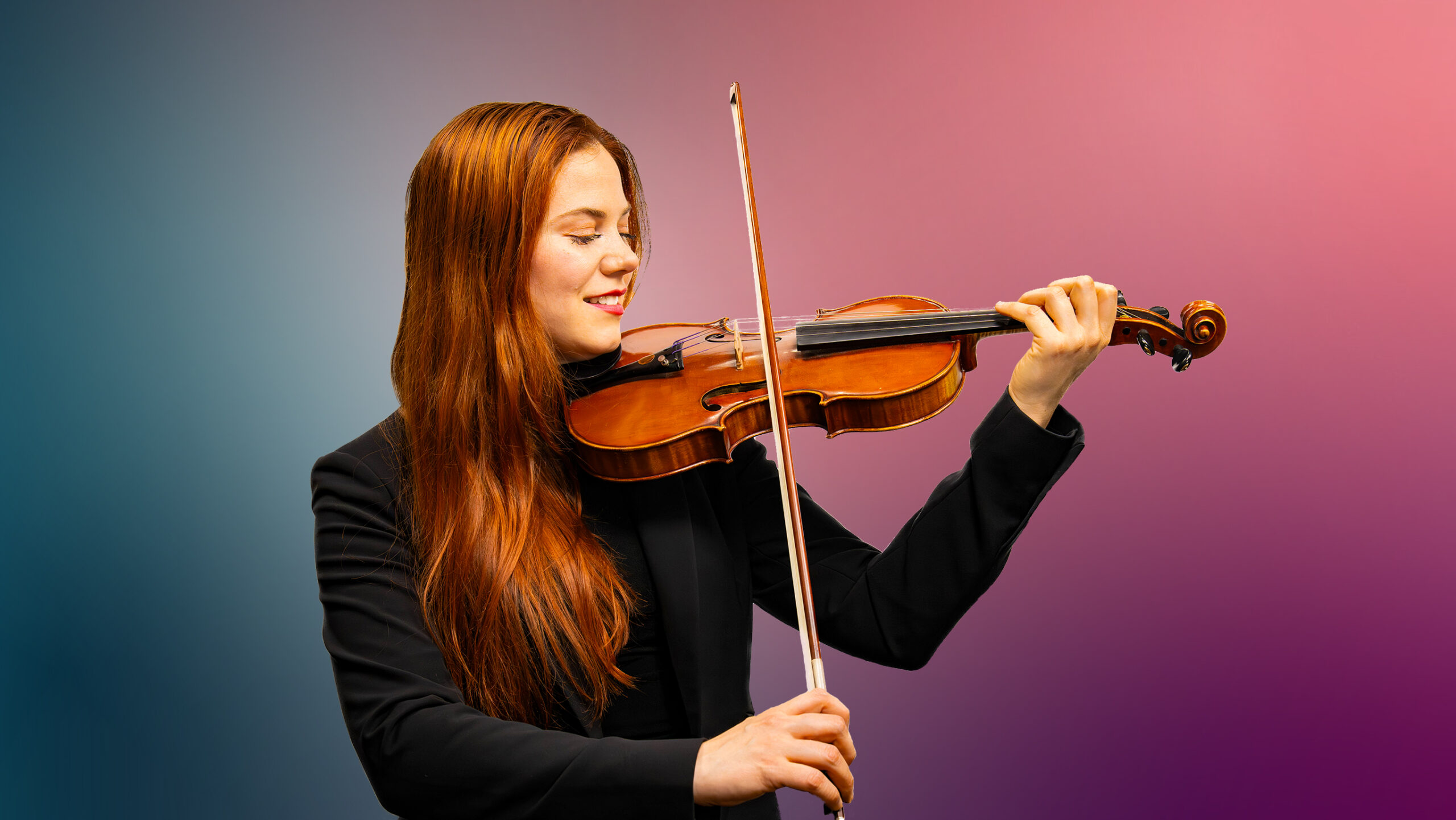
Explore the history and evolution of Argentine tango with violinist Holly Nelson through live musical examples, interactive demonstrations, and works by influential composers including Astor Piazzolla and Carlos Gardel.
-
Levine Presents | Something New, Something Borrowed: Clarinet Reimagined
Experience the rich legacy of the jazz organ trio tradition through timeless melodies, deep grooves, and spirited improvisation.

-
Lecture | Discovering Schubert’s Impromptus
Explore Schubert’s celebrated Impromptus with composer Evan Meier and pianists Minji Kim and Rachel Chen through performance, discussion, and a closer look at the works’ melodic and harmonic language.